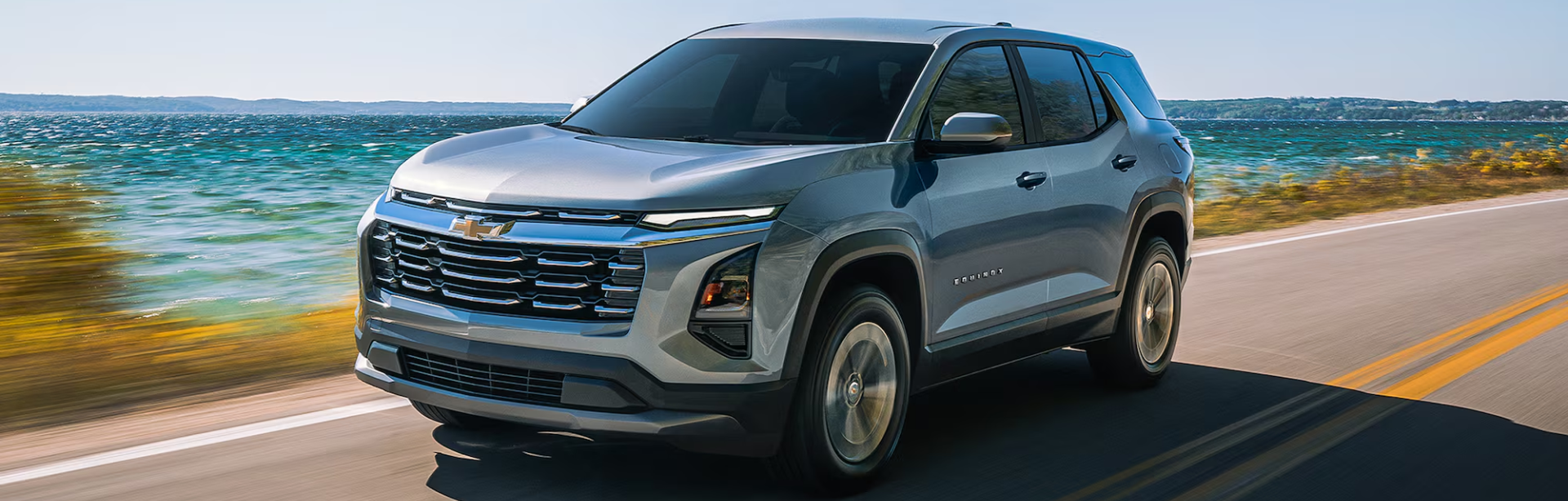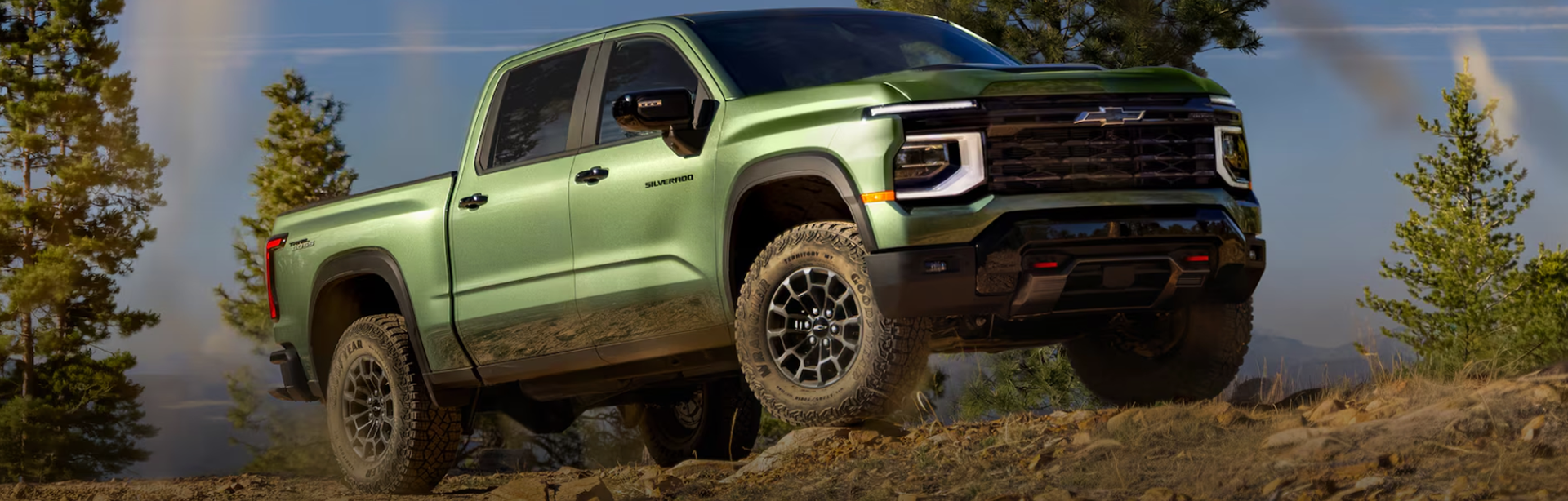




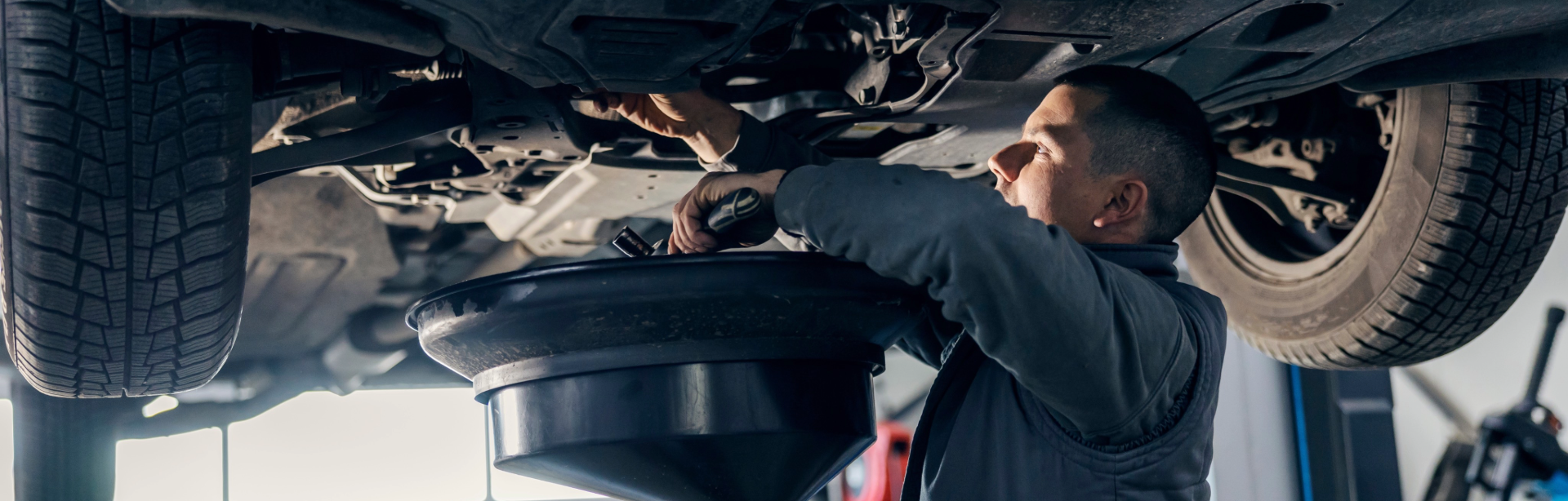
Protecting a major investment means addressing small wear-and-tear items before they snowball into serious financial headaches. It is easy to view a trip to the mechanic as just another bill, but staying ahead of scheduled service is the most reliable way to avoid an unexpected breakdown. Whether you are commuting from Selma up to Fresno, loading up the family for a weekend at the Kings County Fairgrounds, or simply running errands along Lacey Boulevard here in Hanford, daily driving puts continuous stress on your vehicle. At Keller Motors Chevrolet, our technicians know that ignoring basic upkeep almost always results in a much steeper cost down the road. In the sections below, we will explore how proactive care shields you from catastrophic mechanical failures, maximizes your everyday fuel efficiency, and ultimately preserves the highest possible resale value for your SUV or truck.
Why Is Preventative Maintenance Cheaper Than Major Repairs?
The short answer is simple: replacing a worn component on your own timeline costs significantly less than rebuilding an entire system after that component completely fails. Catching minor wear and tear early stops the snowball effect of mechanical damage. Think of it like taking care of your health, where a quick check-up is far more affordable than a trip to the emergency room. For instance, swapping out a degraded serpentine belt around the 60,000-mile mark might cost a fraction of what you would pay for towing fees, engine overheating damage, and lost time if it suddenly snaps on the highway.
When you factor in regional driving conditions, this proactive approach makes even more sense. The long, hot, and dry summers across the San Joaquin Valley can bake under-hood components, accelerating wear on rubber hoses, belts, and fluid seals. If you are commuting from Lemoore to Fresno on Route 41, or just running errands around Hanford, Corcoran, and Selma, ignoring subtle warning signs invites a breakdown. Routine inspections give a technician the chance to spot heat-stressed parts early. That means you avoid being stranded on the shoulder of Grangeville Boulevard waiting for a tow truck, which ultimately protects your wallet from surprise emergency expenses.
Here is exactly how staying ahead of the repair curve keeps your overall vehicle costs down:
- Halting the Domino Effect: A seeping water pump is a moderate, straightforward fix. Letting it run dry because you ignored a temperature gauge warning can warp the cylinder head on a hard-working Chevy Silverado, turning a manageable service bill into a multi-thousand-dollar engine rebuild.
- Eliminating Emergency Logistics: Scheduled maintenance happens on your terms. Unexpected failures often happen when you are halfway to Tulare or Visalia, meaning you instantly pay out of pocket for a tow, rush-service fees, and potentially a rental vehicle while your crossover sits in the shop.
- Preserving System Integrity: Engine coolant loses its anti-corrosive chemical properties over time. Exchanging this fluid at the factory-recommended 150,000-mile mark removes acidic buildup that would otherwise silently eat away at your radiator and heater core from the inside out.
Does Changing Your Oil Really Protect Your Chevrolet Engine?
Absolutely. Fresh motor oil is the primary barrier keeping high-speed metal components from tearing each other apart. Inside a combustion engine, temperatures routinely exceed 200 degrees Fahrenheit. Over time, that intense heat breaks down the oil's molecular structure, stripping away its viscosity and leaving it unable to lubricate effectively. Without a slick fluid barrier, internal parts like the camshaft and pistons grind directly against one another. To put it simply, skipping a routine $70 to $100 service every 5,000 to 7,500 miles almost guarantees that internal friction will eventually destroy the motor.
As motor oil ages, it also acts as a magnet for microscopic dirt, unburned fuel, and metal shavings. If left in the crankcase too long, this debris bakes into a thick, abrasive sludge that blocks vital oil passages. This buildup becomes especially problematic when navigating stop-and-go traffic along Lacey Boulevard or making frequent short trips to the Hanford Mall, because the engine rarely reaches the sustained operating temperatures needed to burn off internal condensation. Hauling heavy equipment in a Chevy Silverado out to agricultural sites around Tulare or Corcoran adds even more thermal stress, causing oil to degrade much faster under heavy loads.
By adhering to the factory-recommended intervals for your specific Chevrolet model, you actively prevent this internal wear. Keeping the crankcase full of clean synthetic or conventional fluid provides several distinct mechanical advantages:
- Maximizes Engine Life: Fresh lubrication mitigates the extreme heat and metal-on-metal friction that warp cylinder walls and wear out main bearings over time.
- Maintains Peak Efficiency: Clean oil allows pistons to move with far less resistance, which translates directly into better fuel economy during highway commutes up to Fresno.
- Prevents Total Mechanical Failure: Draining out degraded fluid removes abrasive sludge before it can starve the motor of oil, sparing you from catastrophic engine damage.
Replacing an entire engine block is easily one of the most expensive repair bills a vehicle owner can face, often costing thousands of dollars. The math is straightforward: investing in regular fluid exchanges over the lifespan of a Chevy Equinox costs only a tiny fraction of a total motor rebuild. Independent testing organizations like Consumer Reports frequently emphasize that adhering to strict fluid exchange schedules is the single most effective way to keep an engine running smoothly well past the 100,000-mile mark.
Can Proper Tire Care Improve Your Fuel Economy in Kings County?

Maintaining accurate tire pressure and proper wheel alignment directly reduces your vehicle's fuel consumption while significantly extending the life of your tread. When tires are under-inflated, they sag and create excess rolling resistance against the pavement. That means your engine must burn more gas just to maintain a constant cruising speed. A drop of just 10 PSI below the recommended level can increase rolling resistance by roughly 10%, forcing the engine to work much harder. This matters immensely because a Chevrolet Silverado 1500 relies on its torque and power to haul heavy equipment; driving on soft truck tires drastically cuts into its highway efficiency and costs you extra money at the pump.
Daily driving conditions also play a massive role in how your tires hold up. Hitting unexpected potholes or navigating rough agricultural crossings along 12th Avenue on a commute to Naval Air Station Lemoore can easily knock your suspension out of alignment. Once wheels are misaligned, they drag at a slight angle instead of rolling perfectly straight. This uneven friction shreds the outer edges of the rubber prematurely and acts like a subtle brake, further dragging down your miles per gallon and forcing an early, expensive tire replacement.
Building a few simple habits prevents premature wear and maximizes fuel efficiency:
- Check PSI monthly: Keep tires inflated to the exact specification found on your driver-side door jamb, which is typically around 35 PSI for a Chevy Equinox, rather than the maximum pressure printed on the tire sidewall.
- Rotate tires routinely: Swap tire positions every 7,500 miles to distribute tread wear evenly across the front and rear axles, allowing the entire set to last thousands of miles longer.
- Schedule alignment checks: Have your wheel alignment inspected annually, or immediately if you notice the steering wheel pulling to the left or right while driving straight down Lacey Boulevard.
For additional research on how different tread patterns impact rolling resistance and overall vehicle performance, you can explore detailed tire ratings and efficiency tests at Edmunds.
Will Following Your Chevrolet Maintenance Schedule Increase Resale Value?
A documented service history is a powerful asset when it is time to negotiate a trade-in offer or sell your vehicle on the private market. Keeping detailed records of factory-recommended services-such as completing 7,500-mile tire rotations or logging exact mileage for transmission fluid exchanges-shows prospective buyers that your vehicle has been rigorously cared for. Ultimately, sticking to the Chevrolet maintenance schedule builds a verifiable portfolio of care that directly influences buyer confidence and, subsequently, your vehicle's resale value.
Whether you are trading in a Chevy Silverado that has spent years hauling agricultural equipment past the Kings County Fairgrounds, or selling a Traverse primarily used for family carpools down 12th Avenue, shoppers closely scrutinize a vehicle's background. For drivers navigating the resale market around Hanford, Visalia, and Fresno, this proof of ownership responsibility matters because a comprehensive log often bumps an appraisal from "Good" to "Very Good" condition. That shift alone can translate to a difference of hundreds or even thousands of dollars in your final return. You can see exactly how documented upkeep influences these condition tiers by checking current local market values on Kelley Blue Book.
Here is how maintaining complete service records translates to a stronger position in the used-vehicle market:
- Higher Trade-In Offers: Dealerships can confidently qualify well-documented vehicles for premium programs-like passing a 172-point inspection for a Certified Pre-Owned Chevrolet-allowing them to extend much stronger upfront offers.
- Faster Private Sales: Buyers driving in from Selma, Tulare, or Lemoore are quicker to commit when they see an organized folder of service receipts rather than mystery gaps in a car's ownership timeline.
- Objective Proof of Condition: Detailed records replace verbal promises with hard data, proving to the next owner that critical investments were made using proper OEM parts and procedures.
How Do Genuine Chevrolet Parts Save You Money Over Time?
When a component needs replacing, choosing a cheaper, aftermarket alternative might look like an easy way to save cash upfront. However, generic parts are often mass-produced to fit a broad range of makes and models, leading to compromises in fit and material quality. Genuine Chevrolet parts, on the other hand, are engineered exactly to your vehicle's factory specifications. This means they fit perfectly, last significantly longer, and protect your warranty-ultimately preventing the frustration and expense of paying for the exact same repair twice.
Consider the electrical system on a 2024 Chevrolet Silverado 1500. If you swap out a failing alternator with a generic unit, an imprecise voltage output could trigger dashboard warning lights while you are hauling equipment down 12th Avenue. Investing in original equipment manufacturer (OEM) parts ensures your truck operates exactly as the engineers intended. This matters for drivers around Hanford because reliable, predictable performance is critical, whether you are navigating afternoon traffic near the Hanford Mall or towing a trailer out to the dairies in Corcoran.
Let's look at the math: saving $40 on aftermarket brake rotors might seem like a smart financial move today. But if their softer metal warps after just 10,000 miles of hard stops along Lacey Boulevard, replacing them a second time wipes out those initial savings completely and hits you with double the labor costs. Furthermore, installing non-OEM parts can potentially jeopardize your 3-year/36,000-mile Bumper-to-Bumper Limited Warranty if that generic component causes secondary damage to your engine or transmission.
Here is why skipping generic replacements makes financial sense:
- Engineered for an Exact Fit: OEM components align flawlessly with factory mounting brackets and wiring harnesses, drastically reducing the risk of vibrations, rattles, and premature wear.
- Rigorous Durability Testing: Chevrolet designs and tests its parts under extreme conditions, ensuring they hold up against the intense heat of our San Joaquin Valley summers without degrading prematurely.
- Maintained Warranty Protection: Using manufacturer-approved parts keeps your factory coverage or certified pre-owned warranty intact, shielding you from massive out-of-pocket expenses later on.
By prioritizing quality from the start, you avoid the hidden costs of cheap replacements. You can verify specific part requirements and compatibility details directly through Chevrolet.
Why Is Brake Maintenance Crucial for Safety and Savings?

Ignoring the high-pitched squeal of worn brake pads is the fastest way to turn a minor replacement into a massive repair bill. Brake pads act as sacrificial components, intentionally designed to absorb extreme friction and wear down over time to protect the rest of your system. When that friction material completely degrades, you get brutal metal-on-metal contact between the steel backing plate and the rotors. Grinding past the pad limit quickly causes severe rotor damage and can even ruin your calipers, multiplying your repair costs exponentially. Catching pad wear early keeps the fix simple and affordable.
- High-pitched squealing or grinding: This sound is usually the built-in wear indicator physically scraping against the rotor, warning you that the pad is dangerously thin-typically around 2 to 3 millimeters.
- Steering wheel vibration: Shaking during deceleration often indicates warped rotors, which happens when excessive heat buildup distorts the metal surface.
- Increased stopping distance: If your Chevy Silverado takes noticeably longer to halt, especially when hauling a heavy load, your braking system is losing its fundamental stopping power.
This proactive approach directly impacts your safety during daily drives across the San Joaquin Valley. Whether you are navigating sudden stops for slow-moving agricultural equipment on 12th Avenue or braking through dense winter Tule fog during a morning commute into Fresno, your Chevrolet needs full stopping capability. Driving with compromised brakes on damp, slick valley roads drastically reduces your control. To stay informed on how your specific model performs under critical braking conditions, or to check for active safety updates, you can always review data from the NHTSA.
Frequently Asked Questions (FAQs)
What are the average wait times for service appointments?
Keller Motors Chevrolet's team leverages decades of hands-on experience to coordinate your certified maintenance efficiently. While specific durations vary depending on the specialized vehicle insights required, our family-owned dealership guarantees every guest receives the reliable, high-quality care that has defined our operations in Hanford since 1991.
How does Keller Motors Chevrolet handle appointment scheduling?
Keller Motors Chevrolet provides expert guidance from the moment you request certified maintenance. Operating as a premier destination for Chevrolet vehicles, our staff will review your needs and schedule a visit that aligns with our long-standing history of service and professional achievement across Lemoore and Visalia.
What should I expect if I arrive without an appointment?
Keller Motors Chevrolet will assess your vehicle immediately using our foundation of expert knowledge. Whether you are prepping for a quick drive down Lacey Boulevard or a longer weekend trip into the Sierra Nevada foothills, our experienced team remains dedicated to transparency, ensuring you receive the reliable care and specialized vehicle insights our business is known for.
How does Keller Motors Chevrolet manage service flow during busy periods?
Keller Motors Chevrolet relies on decades of hands-on experience to maintain efficiency and integrity throughout our service bays. As a trusted automotive authority in the region, our staff proactively guides every guest through the certified maintenance process, reflecting the family-owned commitment to excellence we established over thirty years ago.
How long has Keller Motors Chevrolet been serving the local community?
Keller Motors Chevrolet opened its doors in 1991 to serve the Hanford, Lemoore, and Visalia areas. Over the past three decades, we have built a strong reputation for integrity and transparency, delivering specialized vehicle insights as a deeply involved, family-owned business.
How is Keller Motors Chevrolet involved in supporting the local area?
Keller Motors Chevrolet takes great pride in our history of service and professional achievement within the region. Beyond offering high-quality care and expert guidance for Chevrolet vehicles, our family-owned dealership is deeply involved in local community support initiatives across Hanford and the surrounding agricultural hubs.
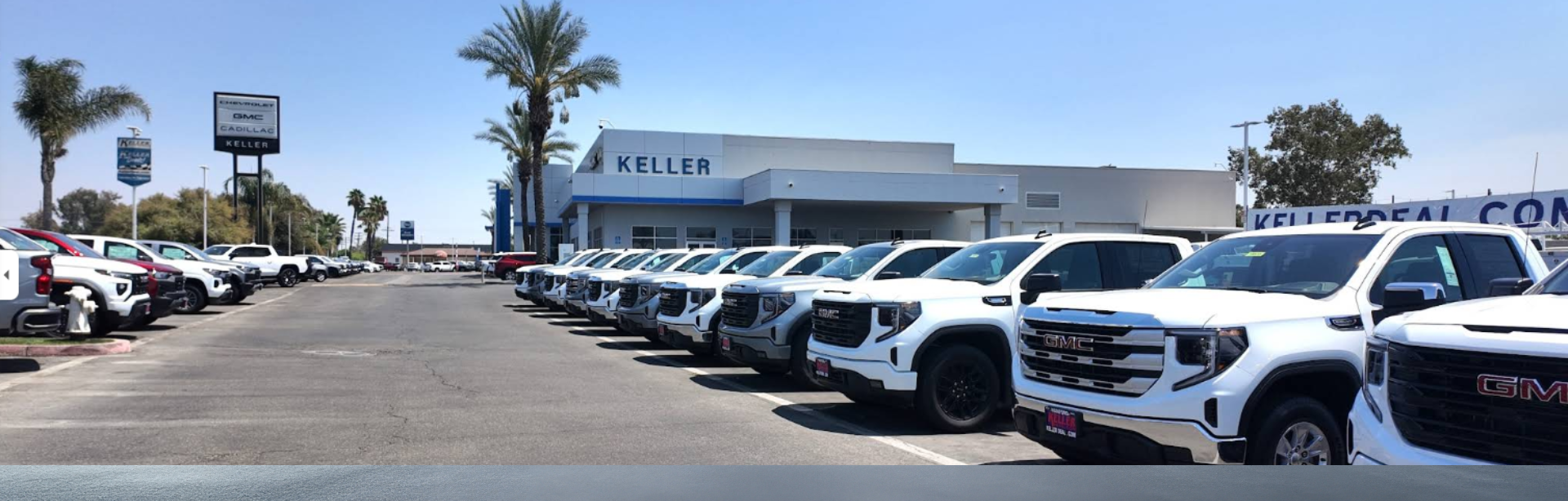
About Keller Motors Chevrolet
At Keller Motors, we have proudly served the Hanford, Lemoore, and Visalia communities as a trusted automotive authority since we opened our doors in 1991. Our dealership is built on a foundation of expert knowledge and a family owned commitment to excellence that has earned us a reputation for transparency and integrity throughout the region. We are deeply involved in supporting our local community and take great pride in our history of service and professional achievement within the industry. As a premier destination for Chevrolet and GMC vehicles, our team leverages decades of hands on experience to ensure every guest receives reliable, expert guidance. Whether you are seeking certified maintenance or specialized vehicle insights, we remain dedicated to providing the high quality care that has defined our business for over thirty years.Related Articles:
The Ultimate Guide to Finding the Best Chevrolet GMC Dealer in Hanford, CA